Building Transit Tracker
A reflection on the Transit Tracker project, its origins, and why it's personally meaningful.

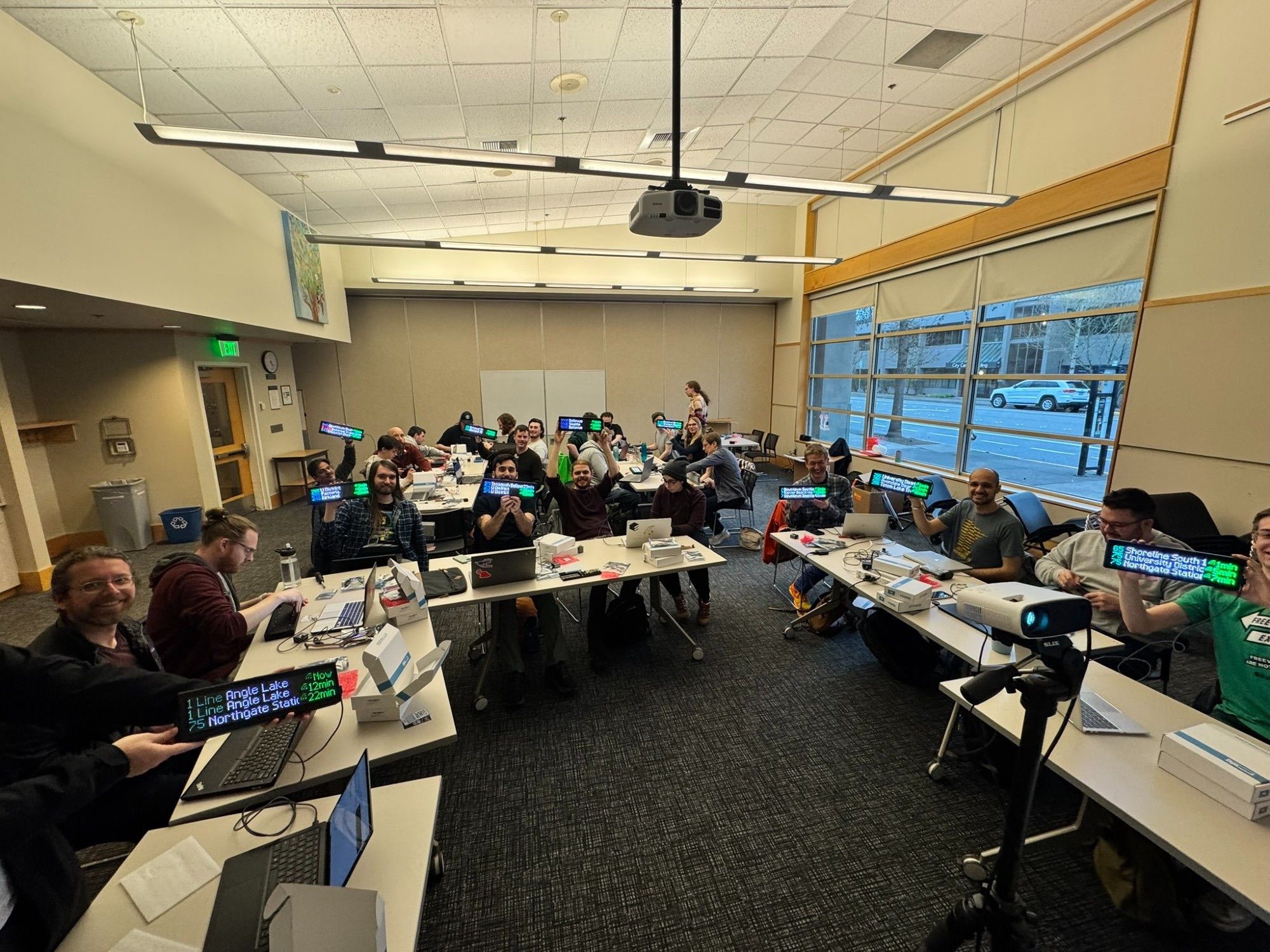
As part of Eastside Urbanism, I helped put together the Transit Tracker project: an open-source DIY public transit arrivals board for your home. Thanks to a viral tweet and subsequent reddit post, the project recently exploded in popularity, with folks all over the world expressing interest in building their own. I'd like to share a brief story about its origins, why the project is personally meaningful to me, and some really cool ways people have adapted it for their own uses.
Why did we make this anyway?
The short answer is that we all have the transit autism are all public transit mega-nerds, and a device like this is the perfect way to show that off while still being a useful and visually interesting piece of decor.
It started in early 2025 (literally January 1st) when someone in our Discord shared a post from West Seattle Bike Blog about a similar display in a cafe showing NYC Subway routes:
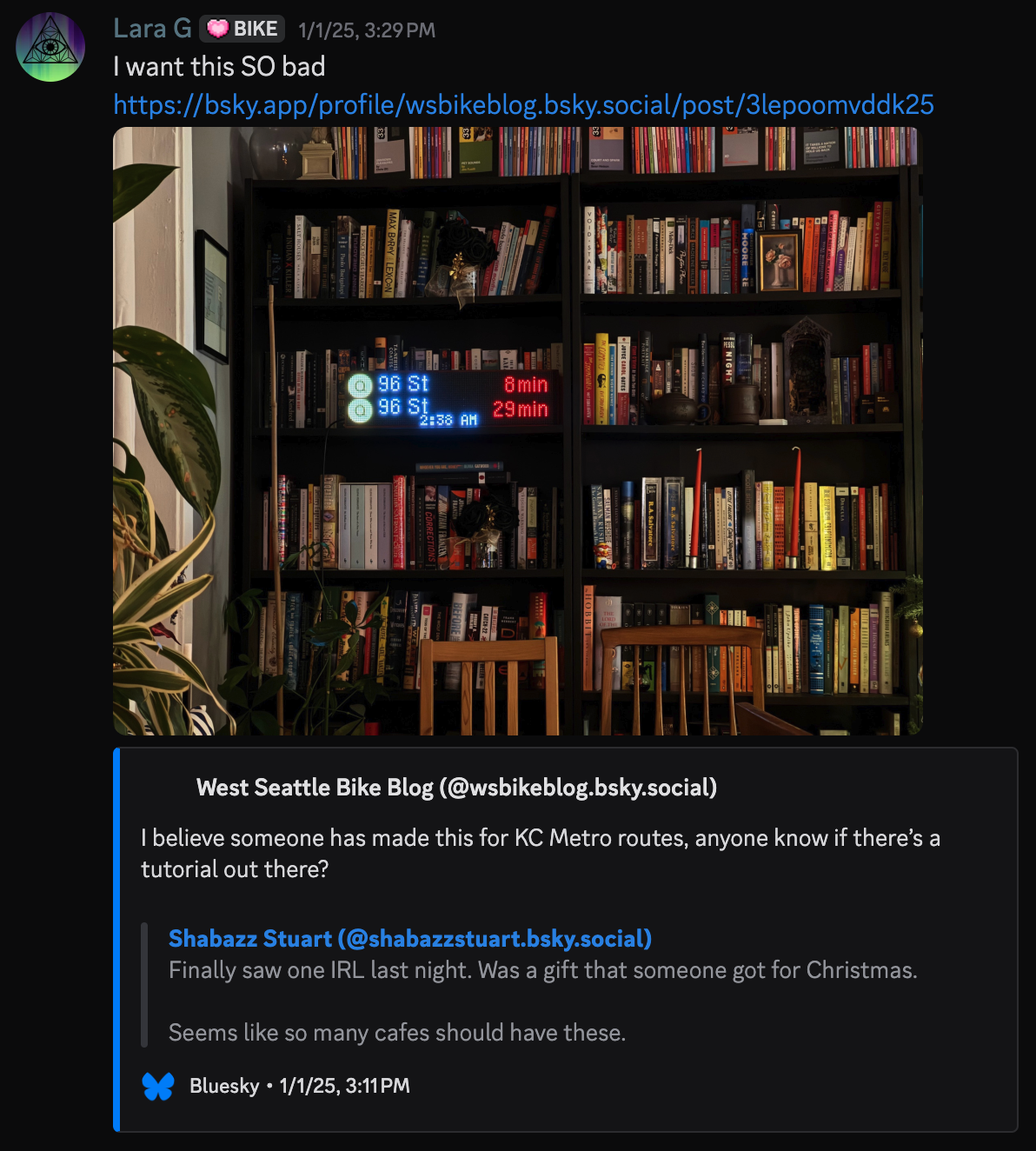
Immediately, several other people chimed in expressing interest. We each did some research to see if this is something we could buy ready-made and works with our local transit agencies. We found a few options but none that fit the bill entirely.
With my background in software, recent endeavors into hardware, and incredibly amateurish CAD skills, I thought to myself "well, this shouldn't be too difficult to make"... so we decided to make our own and, as a bonus, hold an event where we assemble a bunch of them as a group (later dubbed a "build party").

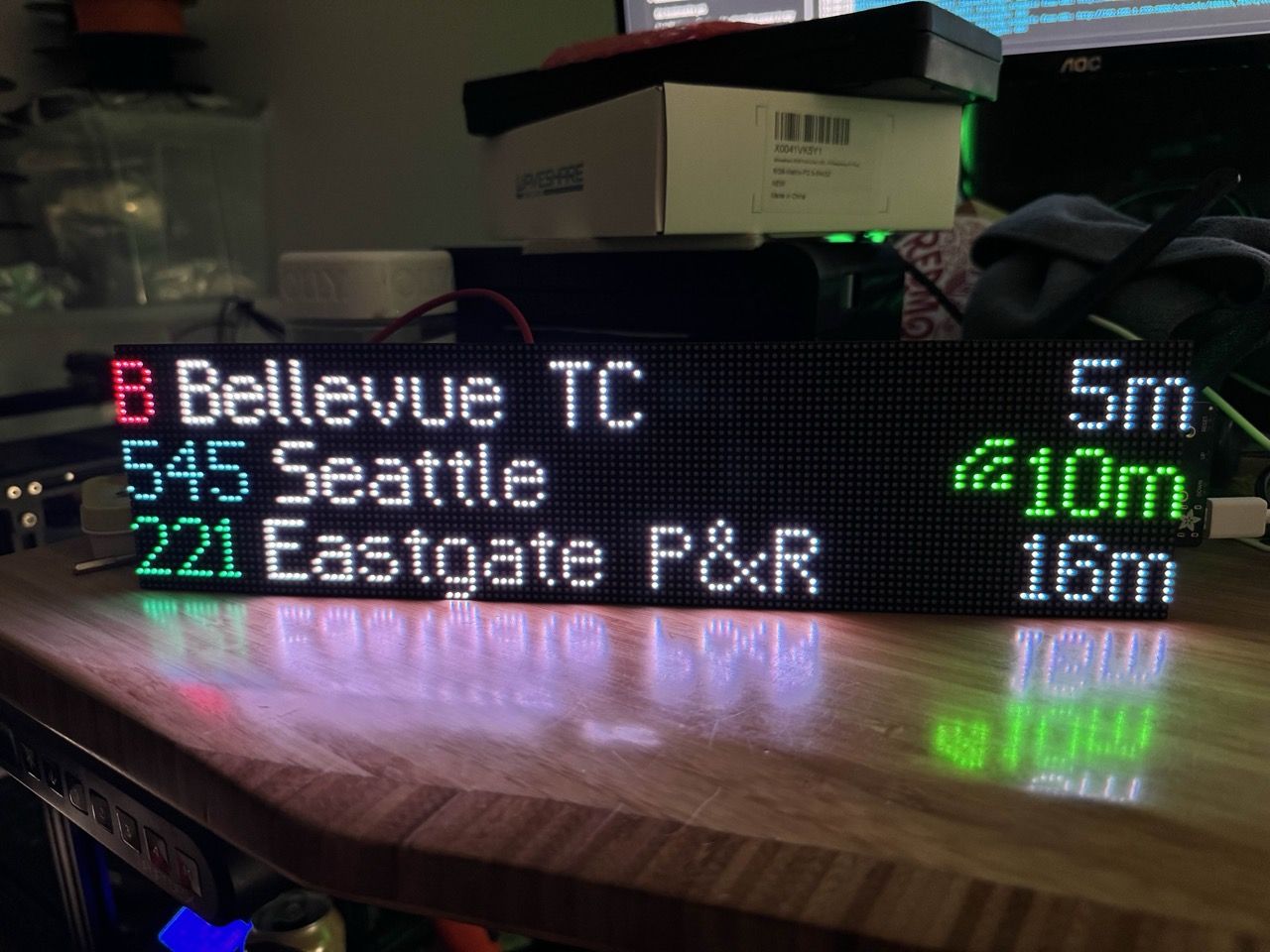
From there, work began. Over the next few days I started researching different pieces of hardware, working on the backend service responsible for fetching schedule data, and developing the custom ESPHome component for the firmware.
Merely five days later we had a working prototype running on real hardware.
All that was left at this point is a nice enclosure to hold the displays. I fired up Fusion 360, studied the display drawings, and hoped for the best as I sketched out the first draft of the frame. To my surprise, the displays fit pretty much perfectly.
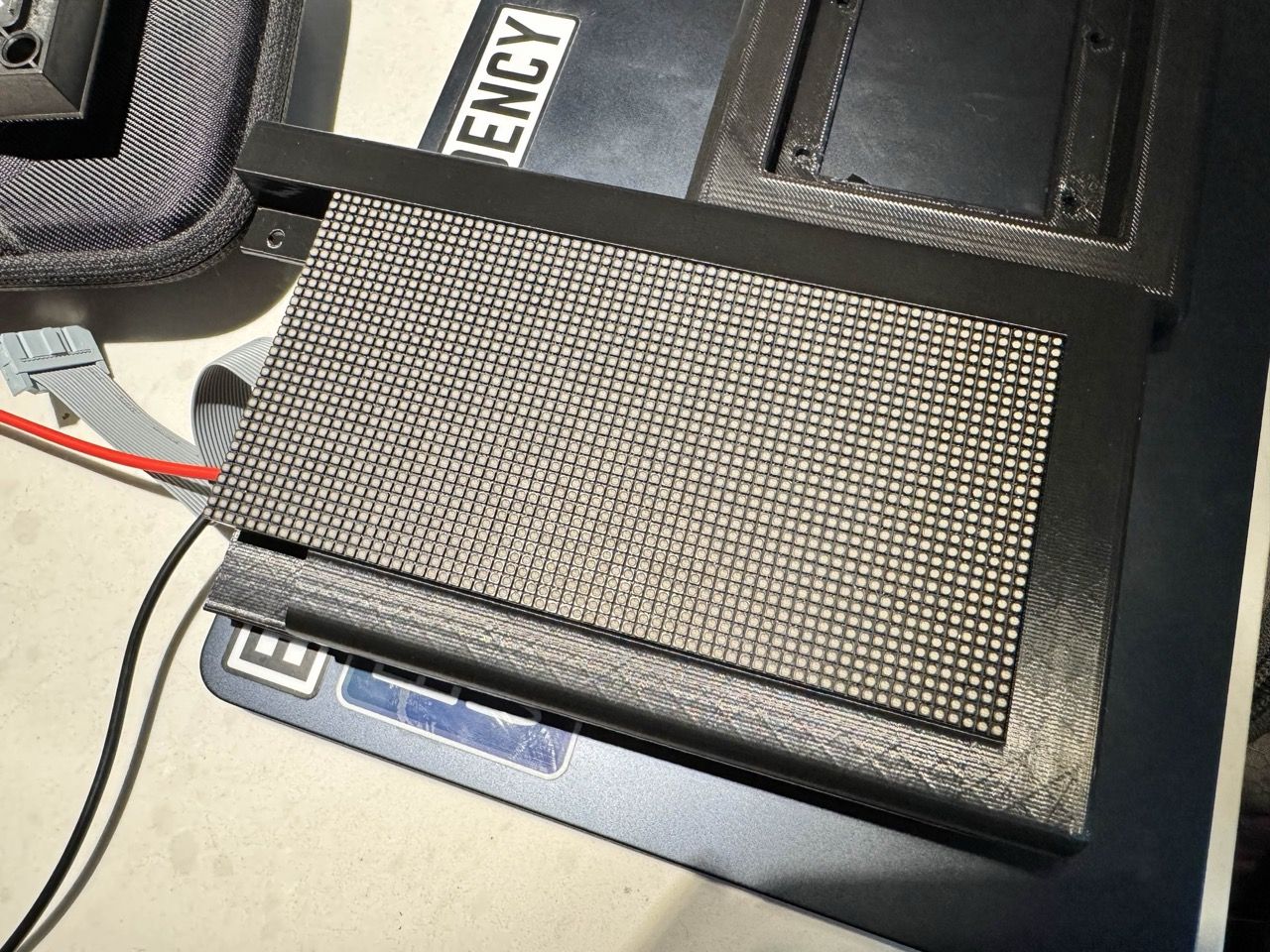
Then the first real Transit Tracker unit was born!
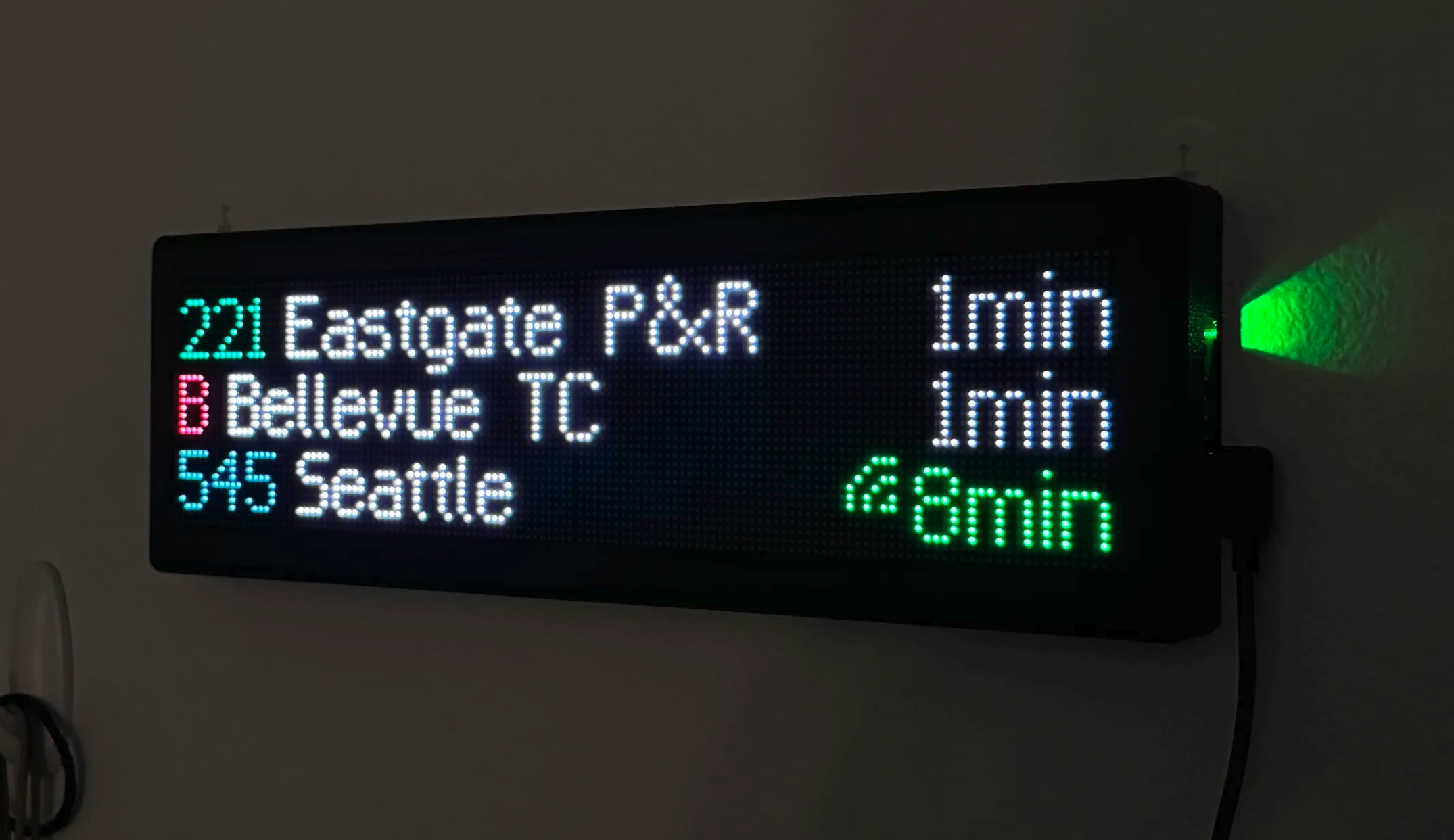
We still needed to work out some minor design tweaks, but we were ready to gauge interest and blasted a form on our social media to see how many parts we would need to order for our eventual build party. Over the next couple weeks we iterated on the design, firmware, and configurator software in preparation for public release.
The Build Party
Putting together the hardware and software was arguably the easier part of this project... now we needed to document everything and figure out logistics for the build party we're planning. About 50 people committed to going. There were many questions that still needed an answer: where are we going to hold it? How are we going to 3D print 50 of these frames? How will we collect funds? What materials do we bring, and what should the attendees bring? How long will it take? Should we do a dry run beforehand? Are these insane new tariffs going to affect the parts shipping from China?
This is where the value of community is readily apparent; several people stepped forward to help out with logistics. We all collaborated to figure out each of these details, and it was so invigorating to work with everyone: each of us sharing things we've learned through experiments to print the frames faster without compromising quality, evaluating different venues—every day getting a bit closer to making this event a reality.
Several Google Forms later we settled on a date, time, and place for the build party. We had all the parts in hand. The frames were ready to go. The excitement was palpable.
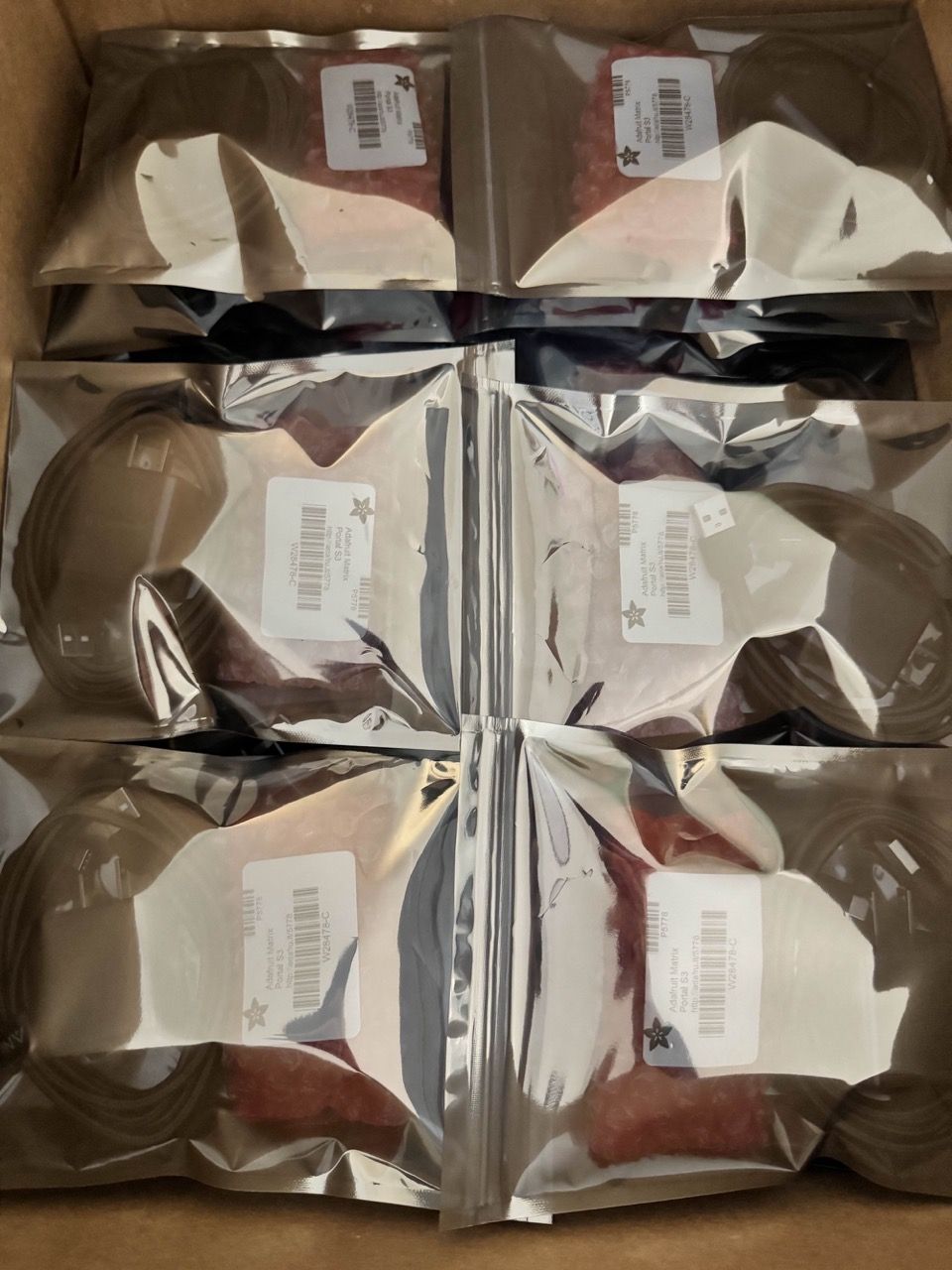
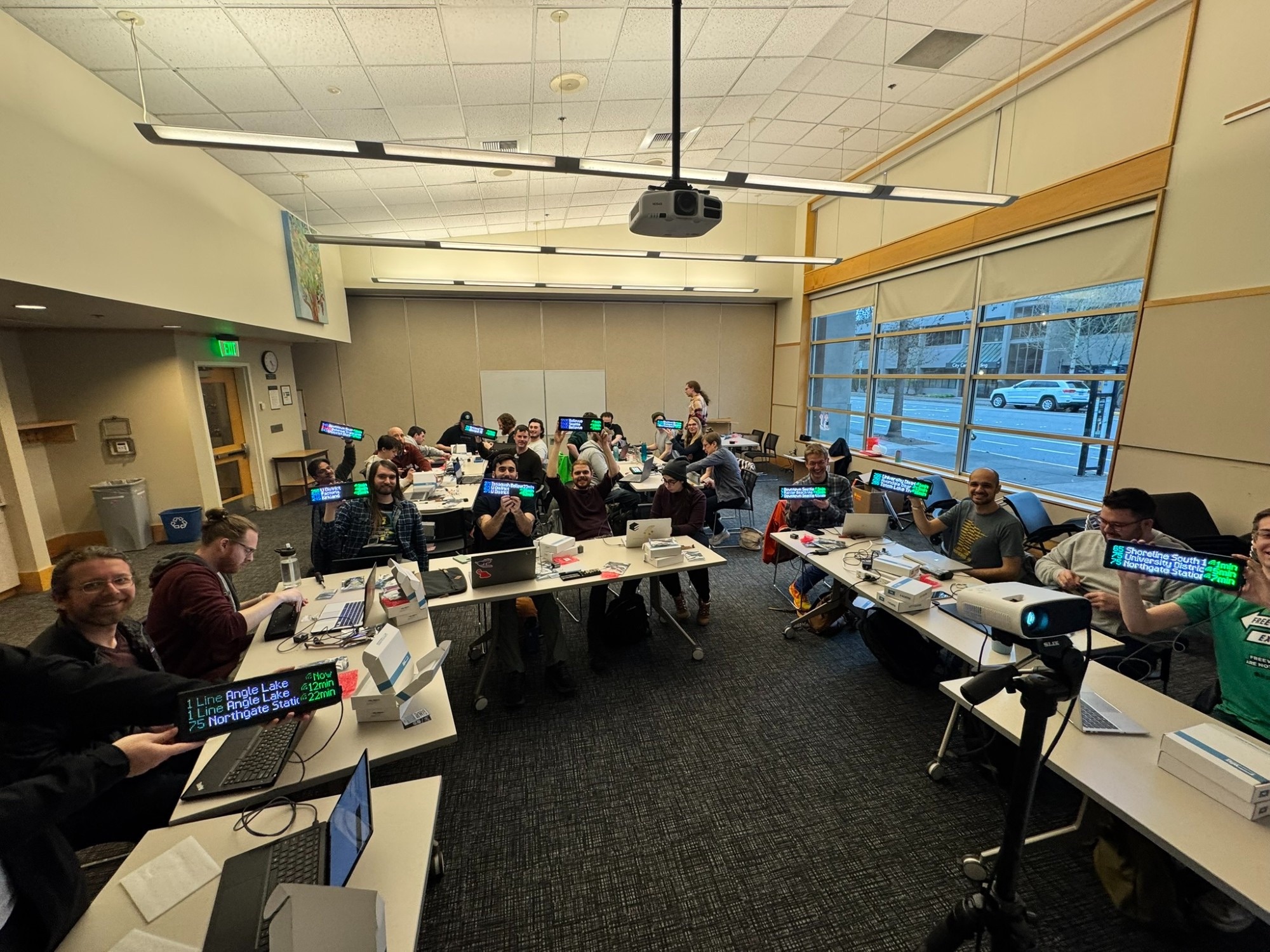
There were a few minor bumps on the day-of, but it basically went off without a hitch, and most importantly: everyone had a great time!
The folks at Walk and Roll Bellingham saw our build party and were inspired to hold their own in the same format. I decided to take Amtrak Cascades up to visit and be on-hand to assist with troubleshooting.
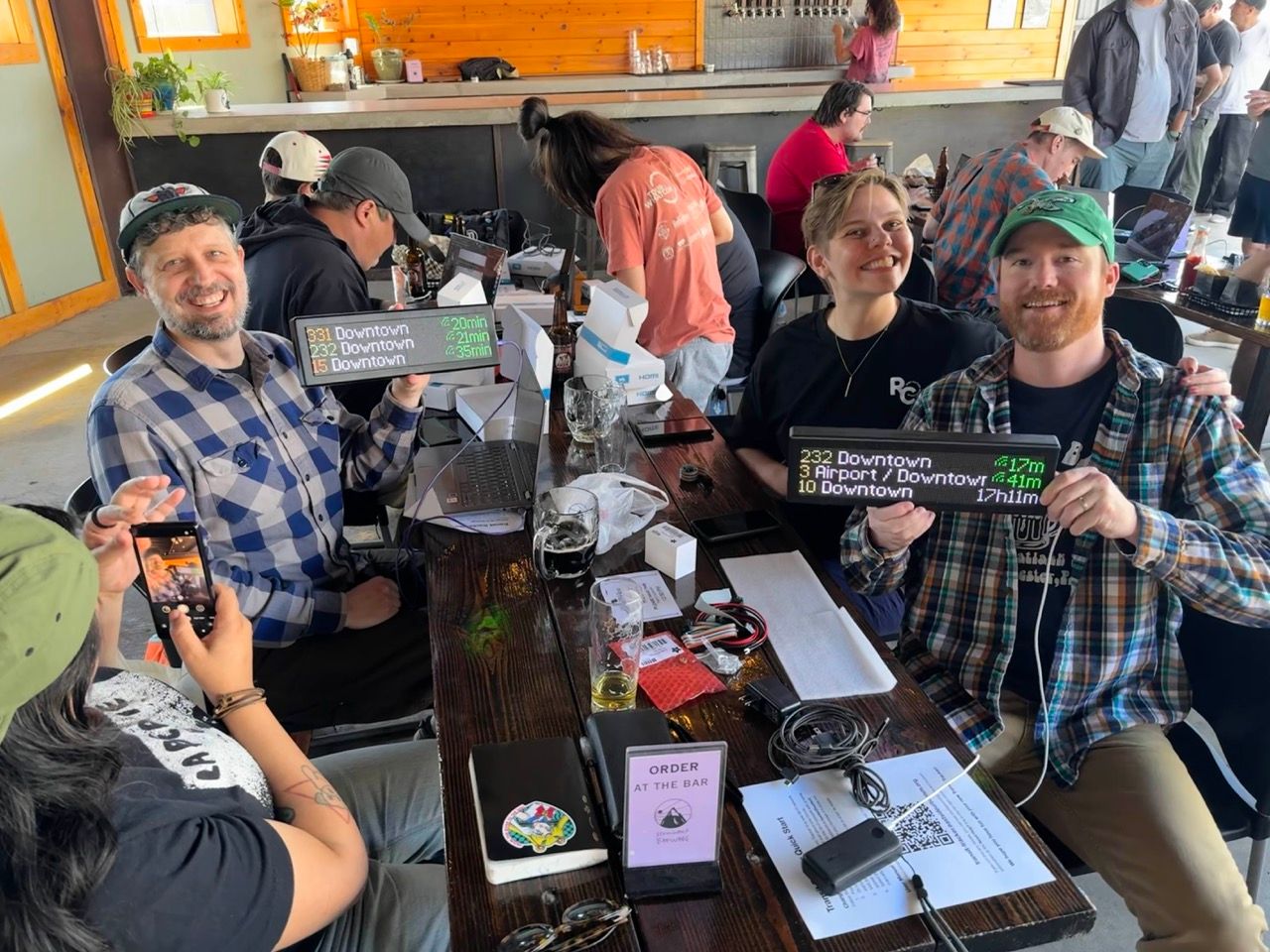
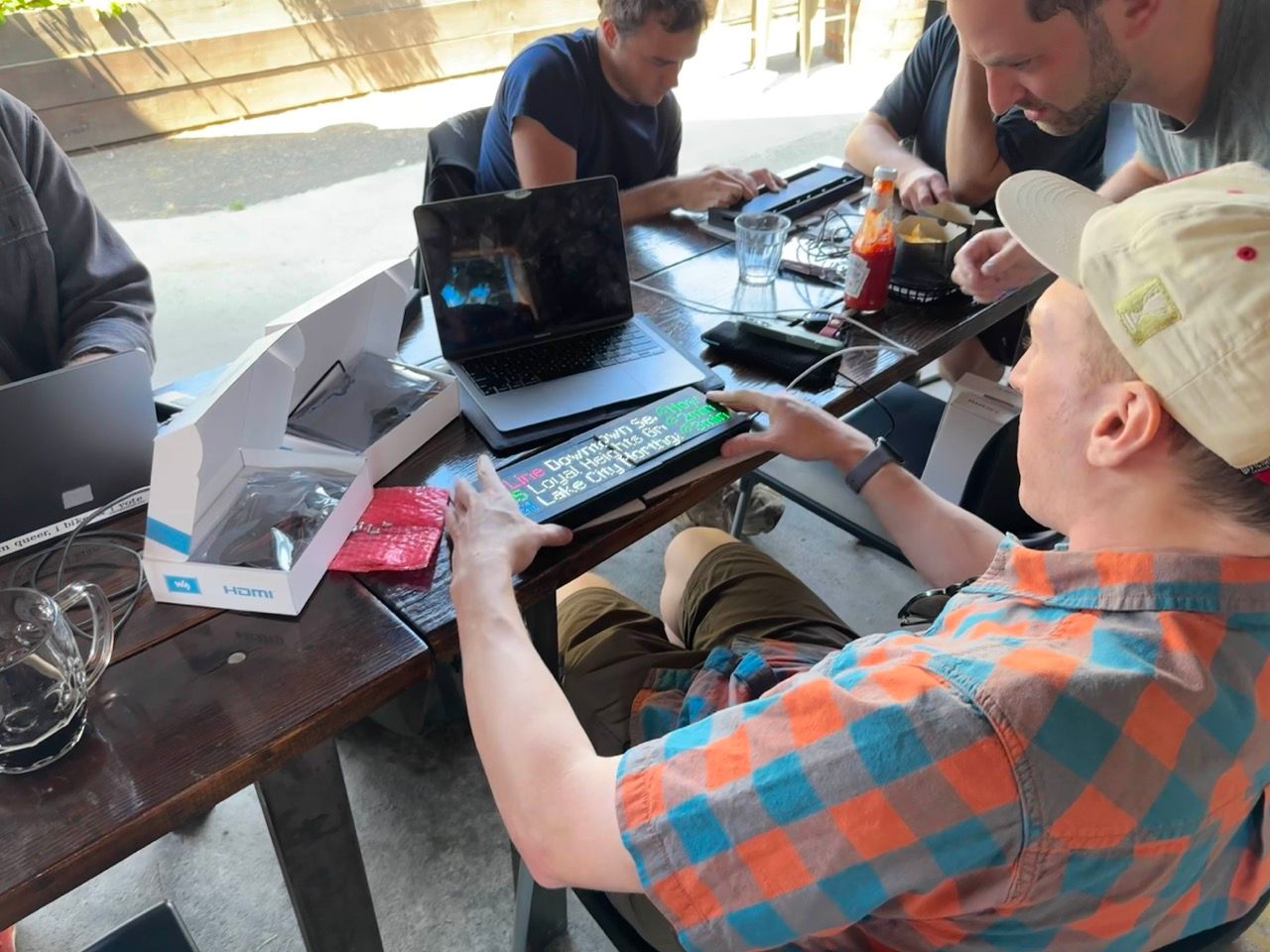
Some shots from Walk and Roll Bellingham's Transit Tracker build party
The energy at both events was electric! Attendees poured into the venue, picked up their parts, and talked amongst themselves as they waited for it to begin. During the build, attendees that finished early took it upon themselves to walk around the room and offer help to others. Each newly-finished Transit Tracker was followed by big grins and high-fives. By the end, people walked out with not only a Transit Tracker they had built themselves, but also lasting friendships as well. It was really exciting to see how we brought so many people together and strengthened our communities through a common interest.
Why I do what I do
I've been writing software since I was 12, and I've always been motivated by a desire to improve lives—my own, of course, but it really makes me happy to see something I build make a positive impact on someone else. The above photos from the build parties are a perfect encapsulation of this feeling: dozens of people with smiling faces excited to bring their new toy home, put it on display and show all their friends.
This is also why I make the vast majority of my projects (including Transit Tracker) open source. By doing so, it extends the usefulness of a project even further: people are completely free to learn from it, collaborate on new features, or customize it as they wish. That last one in particular is really important to me. It brings me great joy to know that someone else was inspired by one of my projects—that it gave them a platform to build their idea upon and make truly their own. Some people have taken initiative to contribute support for their own local agency, improve language support, and quality-of-life improvements.
And that's why Transit Tracker has been so meaningful and fulfilling to work on. It's a culmination of many skills I've built over the years—web development, backend architecture, embedded development, CAD, technical writing—wielded to make something with an impact on hundreds of individuals and communities worldwide. We have already seen several people make some really cool customizations to suit their needs. Here are some of my favorites.
Transit Tracker: Light Mode Edition
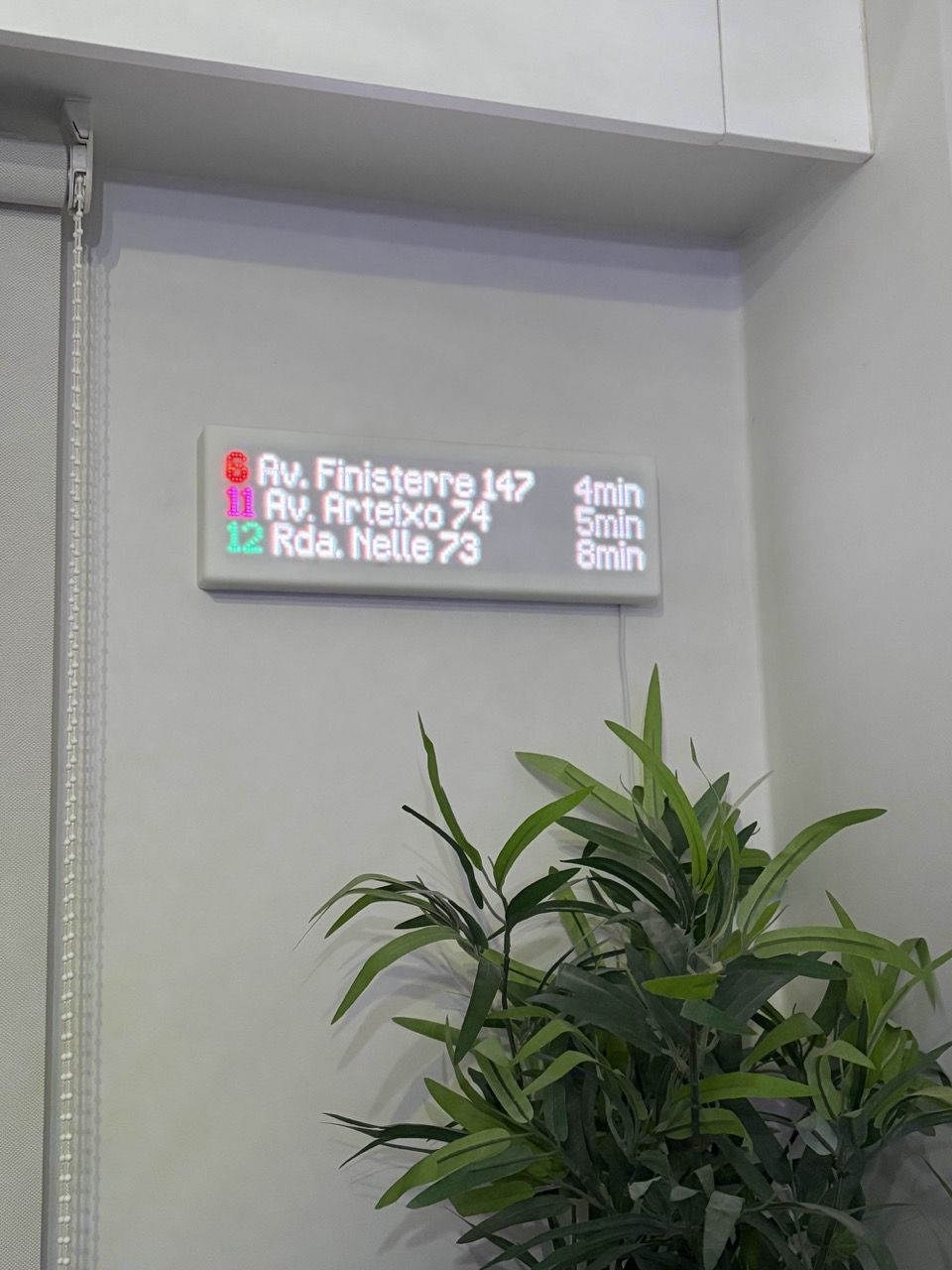
Someone from Spain joined our Discord with a problem: everything in his home was light-colored, so the existing Transit Tracker frame didn't fit very well with that aesthetic. He was asking for feedback on his modified frame design where the displays are covered by a thin front panel which the LEDs shine through. A few weeks later he got the design printed in white resin, and the result is stellar.
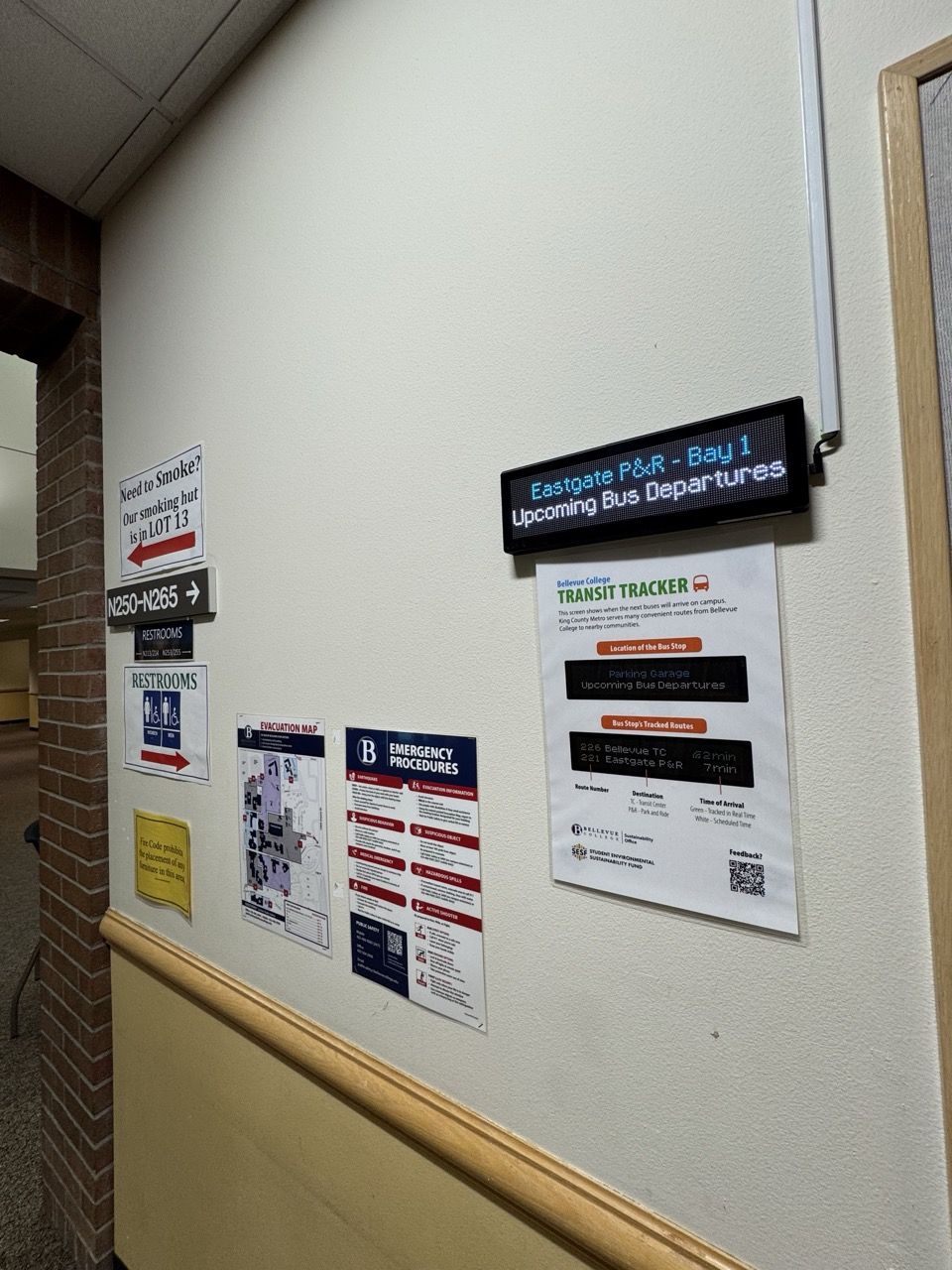
Bellevue College
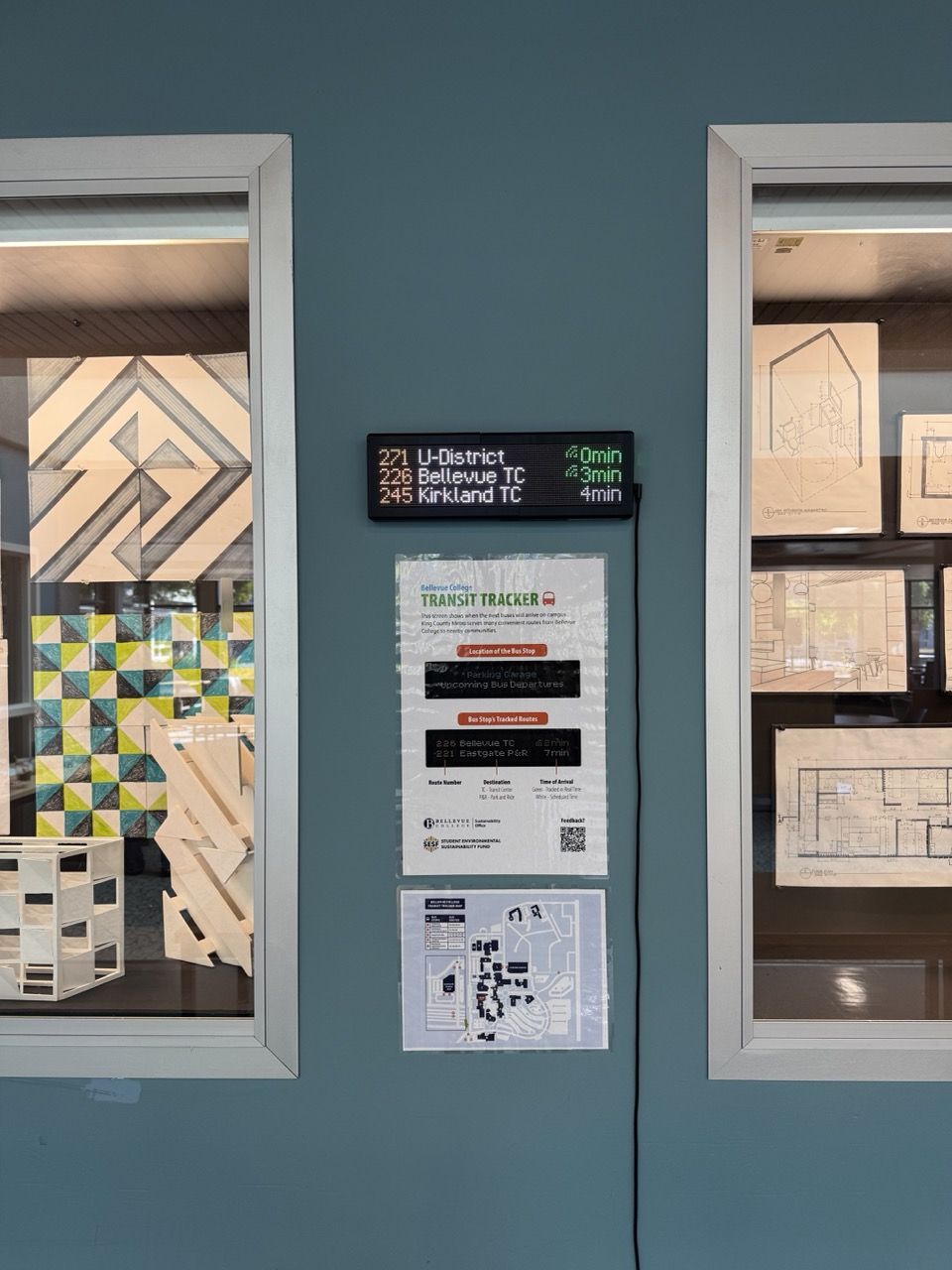
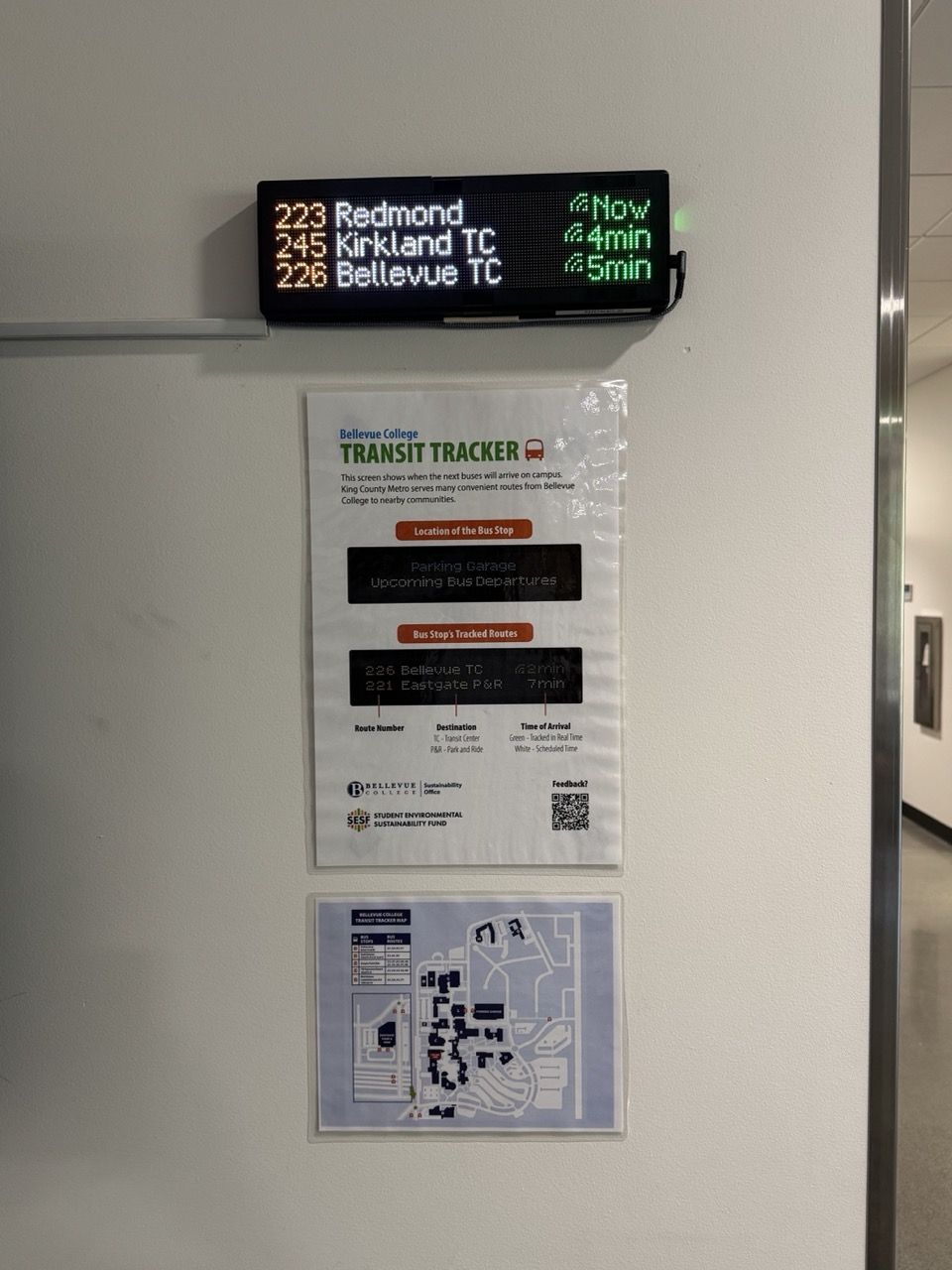
Nick from Bellevue College's Sustainability Office built several Transit Trackers and placed them strategically around campus near its various bus stops. He customized the firmware to cycle between the departures and the name of the stop, and created a flyer with diagrams explaining how they work.
Lighthouse Mission
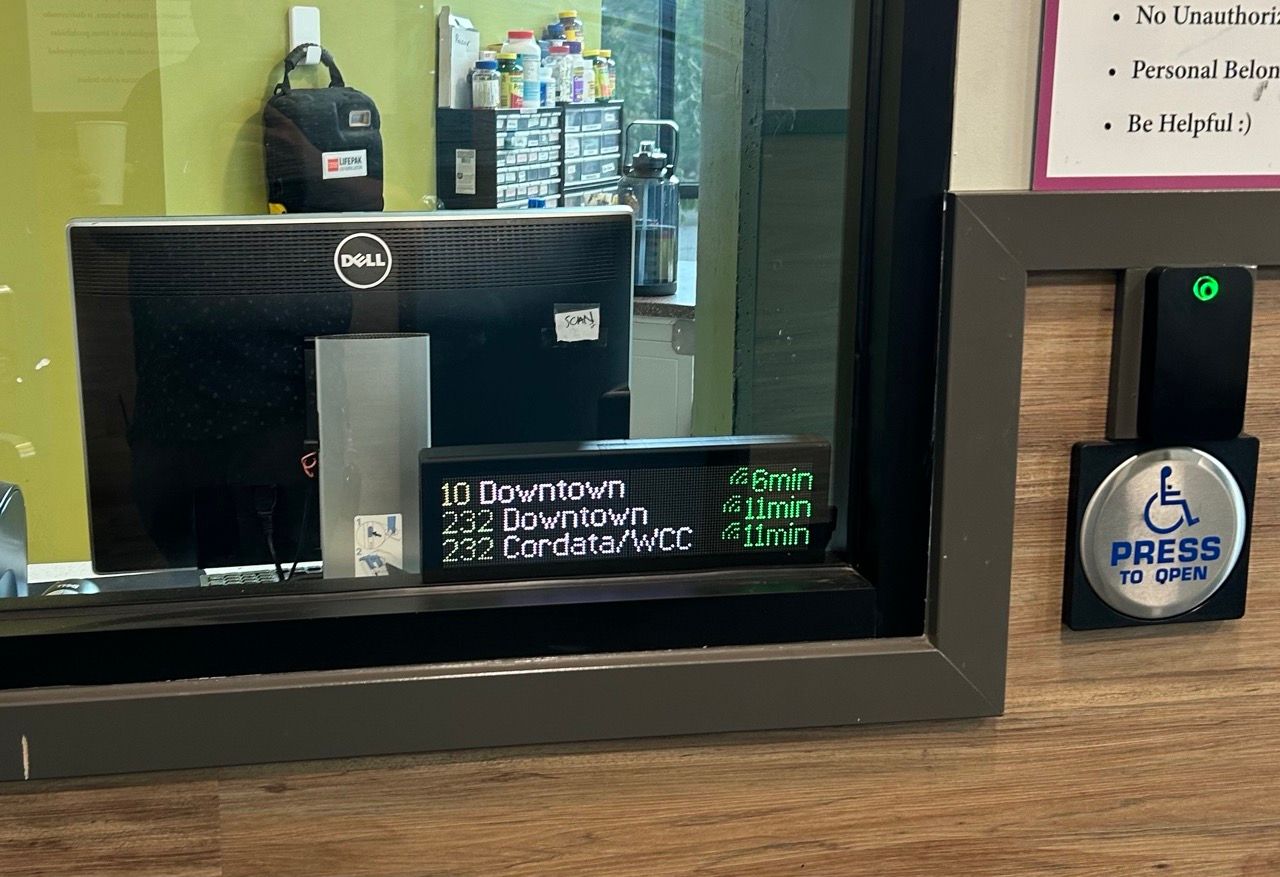
Walk and Roll Bellingham donated a Transit Tracker to a local shelter, Lighthouse Mission. It's placed at the front desk and shows departures for routes at the nearby bus stop.
Bellevue Downtown Association
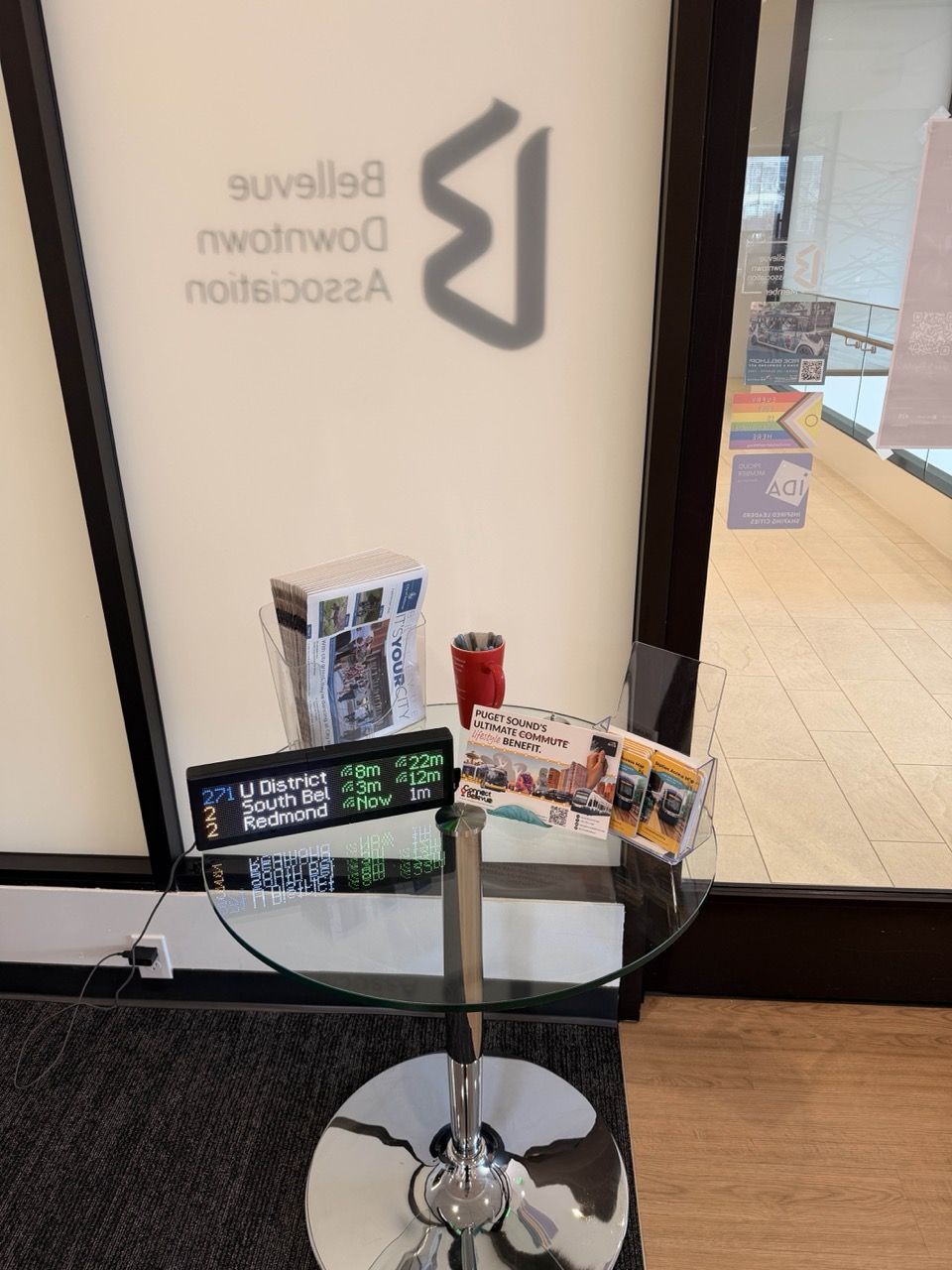
There's a Transit Tracker set up at Bellevue Downtown Association showing nearby bus and train departures. The firmware was customized to change the text alignment and show the next two departures instead of just one.
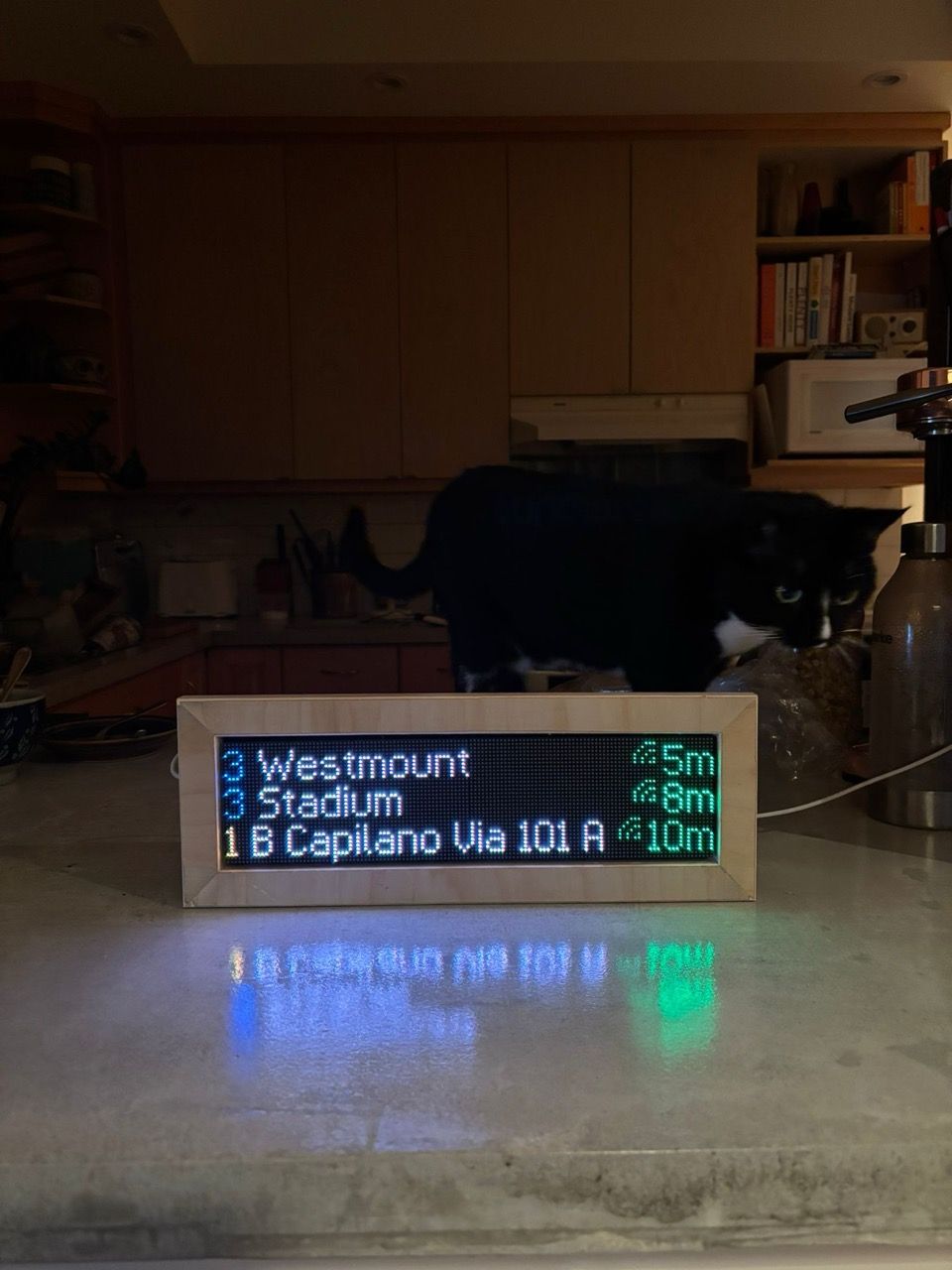
Wooden Frames
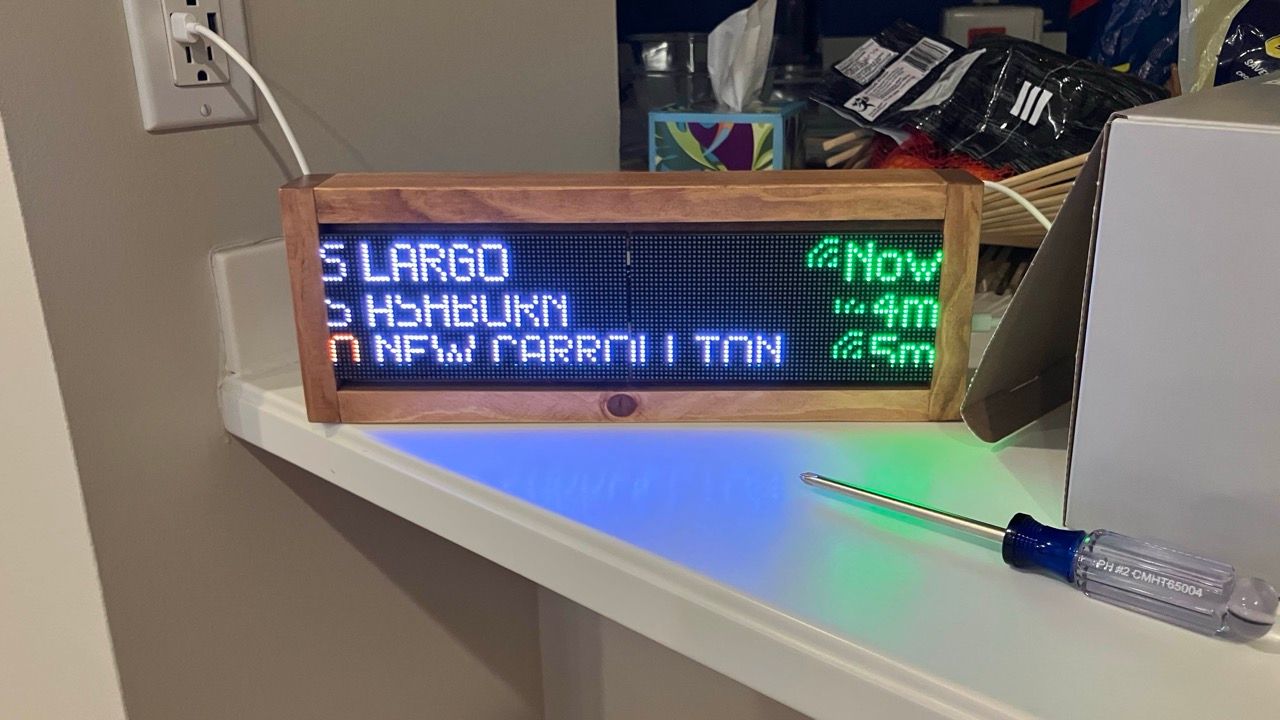
Some people have applied their woodworking skills and fabricated custom wooden frames for their Transit Tracker.
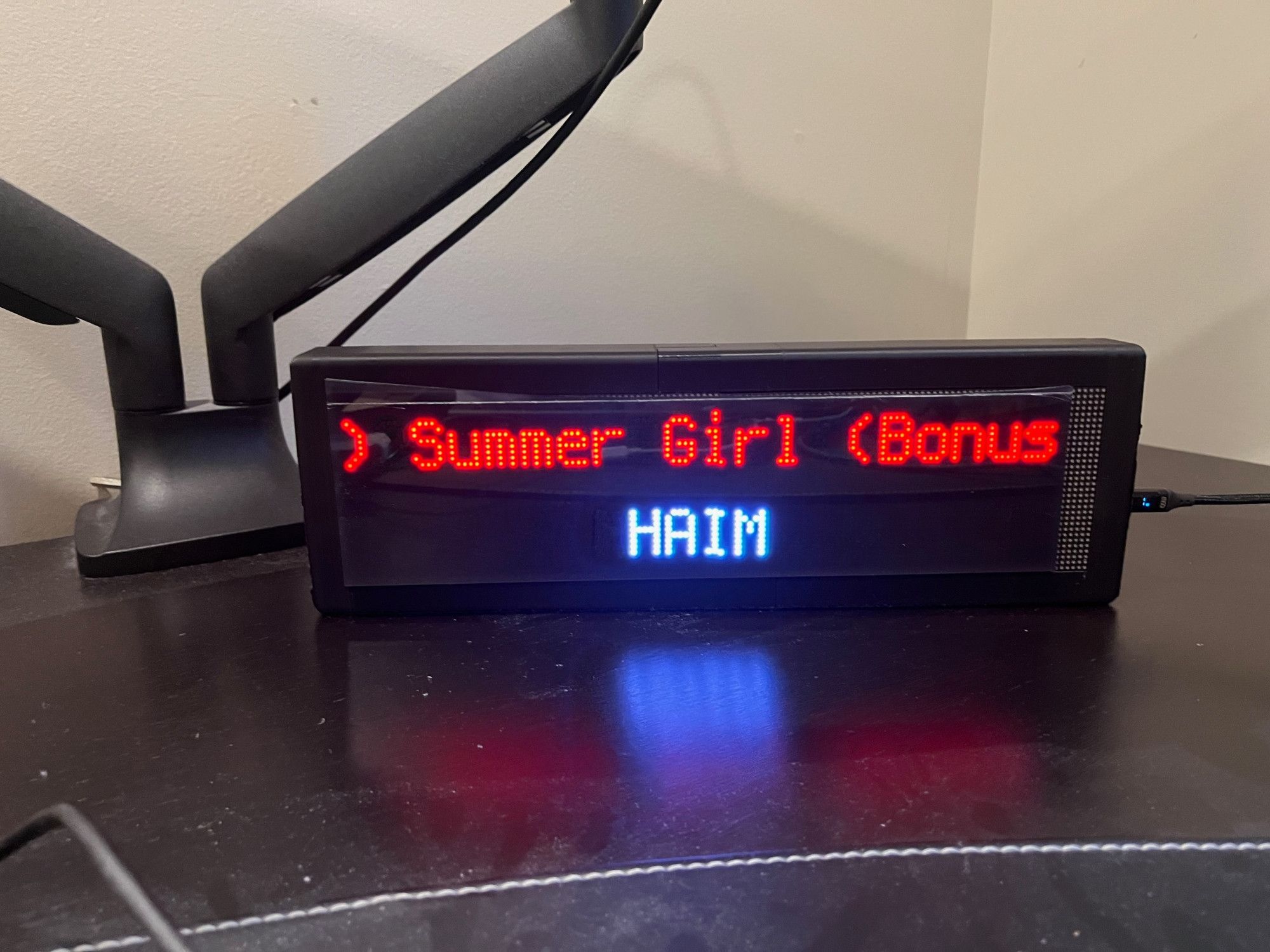
Now Playing Status
Paul Cutler on Bluesky shared how they completely repurposed the Transit Tracker hardware to show their currently-playing song.
Conclusion
This project has grown way bigger than I thought it ever would when we started it around this time last year. We've had interest across the globe and support 43 transit agencies in five different countries, with more requests coming in every week. It became a tool to bring people together and acted as a catalyst to inspire others to build their own projects upon this one.
It might sound cheesy, but working on Transit Tracker has reminded me of exactly why I make things: not for money or for social clout, but to make people happy and have a positive impact on their lives. And I think it's done exactly that.